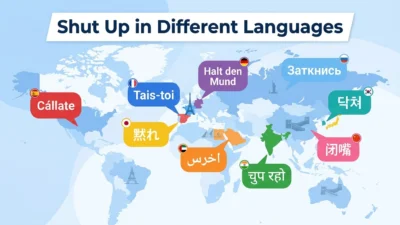

Saying no problem in different languages is one of the easiest ways to sound polite, friendly, and respectful while communicating with people from around the world. Whether you are traveling, learning a new language, or simply talking with international friends, knowing how to say no problem in different languages can make conversations feel more natural and welcoming.
People often use this phrase to respond to thanks, apologize politely, or reassure someone that everything is fine. Learning no problem in different languages also helps you understand cultural communication styles while expanding your vocabulary in a practical and memorable way.
Quick Answer
The phrase “no problem” is commonly used to respond to “thank you” or reassure someone. Every language has its own equivalent, ranging from direct translations to culturally preferred expressions that convey kindness, politeness, and helpfulness.
No Problem in Different Languages Around the World
| Language | Native Word | Pronunciation |
| English | No problem | noh PROB-lum |
| Spanish | No hay problema | no eye pro-BLAY-ma |
| French | Pas de problème | pah duh pro-BLEM |
| German | Kein Problem | kine pro-BLAYM |
| Italian | Nessun problema | ness-OON pro-BLAY-ma |
| Portuguese | Sem problema | seng pro-BLAY-ma |
| Dutch | Geen probleem | khayn pro-BLAYM |
| Russian | Нет проблем | nyet pro-BLYEM |
| Ukrainian | Немає проблем | neh-MYE pro-BLEM |
| Polish | Nie ma problemu | nyeh ma pro-BLE-moo |
| Czech | Žádný problém | zhaad-nee pro-BLEM |
| Slovak | Žiadny problém | zhee-ad-nee pro-BLEM |
| Hungarian | Semmi gond | SHEM-mee gond |
| Romanian | Nicio problemă | nee-CHEE-o pro-BLE-ma |
| Greek | Κανένα πρόβλημα | ka-NE-na PRO-vlee-ma |
| Turkish | Sorun değil | so-ROON deh-EEL |
| Arabic | لا مشكلة | la mush-KEE-la |
| Hebrew | אין בעיה | ayn be-AH-ya |
| Persian | مشکلی نیست | mosh-ke-LEE neest |
| Hindi | कोई बात नहीं | koy baat na-HEEN |
| Urdu | کوئی مسئلہ نہیں | koi mas-la na-HEEN |
| Bengali | কোনো সমস্যা নেই | ko-no shom-OS-sha nei |
| Punjabi | ਕੋਈ ਗੱਲ ਨਹੀਂ | koi gal na-HEE |
| Gujarati | કોઈ વાંધો નથી | koi VAN-dho na-THEE |
| Marathi | काही हरकत नाही | kaa-HEE har-kat naa-HEE |
| Tamil | பிரச்சனை இல்லை | pi-rach-cha-nai il-lai |
| Telugu | సమస్య లేదు | sa-MA-sya LAY-doo |
| Kannada | ಸಮಸ್ಯೆ ಇಲ್ಲ | sa-MA-sye il-la |
| Malayalam | പ്രശ്നമില്ല | prash-na-MIL-la |
| Sinhala | ප්රශ්නයක් නැහැ | prash-na-yak NE-ha |
| Chinese (Mandarin) | 没问题 | may wen-tee |
| Cantonese | 冇問題 | mo mun-tai |
| Japanese | 問題ありません | mon-dai ah-ree-ma-sen |
| Korean | 문제없어요 | moon-je ob-so-yo |
| Thai | ไม่มีปัญหา | mai mee pan-ha |
| Vietnamese | Không có vấn đề | khong ko vun-day |
| Indonesian | Tidak masalah | tee-dak ma-sa-LAH |
| Malay | Tiada masalah | tee-A-da ma-sa-LAH |
| Filipino | Walang problema | wa-lang pro-BLE-ma |
| Swahili | Hakuna shida | ha-KOO-na shee-da |
| Afrikaans | Geen probleem | kheen pro-BLAYM |
| Zulu | Ayikho inkinga | ah-YEE-kho in-KING-ga |
| Yoruba | Kò sí ìṣòro | ko see ee-SHO-ro |
| Hausa | Babu matsala | BA-boo mat-SA-la |
| Amharic | ችግር የለም | chi-gir ye-LEM |
| Finnish | Ei ongelmaa | ay ONG-gel-maa |
| Swedish | Inga problem | ING-a pro-BLEM |
| Norwegian | Ikke noe problem | IK-ke noo pro-BLEM |
| Danish | Intet problem | IN-ted pro-BLEM |
| Icelandic | Ekkert mál | EK-kert maul |
Why Learn No Problem in Different Languages?
Learning how to say “no problem” in multiple languages is useful in everyday conversations. It helps you respond politely when someone thanks you or apologizes. This small phrase can leave a positive impression because it shows friendliness and respect.
Whether you are traveling, studying abroad, or working with international colleagues, using local expressions makes communication smoother. It also builds confidence and encourages meaningful cultural interactions while improving your language skills naturally.
Cultural Significance
Although many languages have a direct translation of “no problem,” some cultures prefer expressions that emphasize humility, gratitude, or reassurance. For example, some languages use phrases meaning “it’s nothing” or “don’t mention it” instead.
Understanding these cultural differences helps you avoid sounding unnatural. It also shows appreciation for local customs, making conversations warmer and more respectful regardless of where you are.
Pronunciation Tips
Correct pronunciation is just as important as learning the words themselves. Listen carefully to native speakers and repeat phrases several times to become familiar with rhythm, stress, and intonation.
Focus on speaking clearly instead of speaking quickly. Practicing with language-learning apps, online audio recordings, or native speakers can significantly improve your confidence and help you communicate more naturally.
Related Polite Expressions
Along with “no problem,” it is useful to learn similar responses such as “you’re welcome,” “my pleasure,” “don’t worry,” and “it’s okay.” These expressions often serve similar purposes in everyday conversations.
Expanding your vocabulary gives you more flexibility and helps you choose the most appropriate response depending on the situation. It also makes your conversations sound more fluent and natural.
Practical Uses in Everyday Life
Knowing how to say “no problem” is helpful in restaurants, hotels, airports, workplaces, classrooms, and social gatherings. It creates a relaxed atmosphere and reassures others that their request or mistake is not an inconvenience.
Even if your vocabulary is limited, using this simple phrase correctly can improve interactions and demonstrate genuine respect for another person’s language and culture.
Easy Ways to Remember the Phrases
Instead of memorizing long vocabulary lists, learn five languages at a time and review them regularly. Flashcards, spaced repetition, and daily practice make learning much easier.
Try using each phrase in simple conversations or writing practice. Associating each language with a country or personal experience also helps improve long-term memory.
Interesting Facts About the Phrase
Many languages do not translate “no problem” word for word. Instead, they express the same meaning using unique cultural expressions that reassure or comfort the listener.
Globalization has also influenced modern speech, causing some English expressions to become widely recognized. However, native alternatives remain more natural and appreciated in most cultures.
Common Mistakes to Avoid
A common mistake is assuming every language uses a direct translation of “no problem.” In reality, native speakers often prefer different expressions depending on the situation.
Another mistake is ignoring pronunciation. Even a correctly translated phrase may be difficult to understand if pronounced incorrectly. Regular listening practice can greatly improve communication.
Benefits of Learning Different Languages
Learning polite phrases across many languages improves communication, boosts travel experiences, and builds stronger personal and professional relationships. Small expressions often create the biggest positive impressions.
Language learning also strengthens memory, increases cultural awareness, and enhances confidence when meeting people from different backgrounds. Every new phrase is a step toward becoming a more effective global communicator.
Key Takeaways
- “No problem” has unique expressions in different languages.
- Pronunciation is essential for natural communication.
- Cultural context matters more than direct translation.
- Learning polite phrases improves travel and daily conversations.
- Regular practice makes multilingual communication easier.
Conclusion
Learning no problem in different languages is a practical way to improve communication while showing kindness and cultural awareness. Whether you are traveling, making international friends, or studying foreign languages, this simple phrase helps build positive connections. By learning the native expressions, practicing pronunciation, and understanding cultural preferences, you can communicate more confidently in many situations. Even mastering a few languages can make conversations more enjoyable and leave lasting positive impressions wherever you go.
Frequently Asked Questions
1. Why should I learn no problem in different languages?
Learning this phrase helps you communicate politely with people from different countries. It is commonly used in everyday conversations after someone says thank you or apologizes. Knowing local expressions also demonstrates cultural respect and makes interactions feel more natural and friendly.
2. Is “no problem” translated the same way in every language?
No. While many languages have direct translations, others use expressions that mean “don’t mention it,” “it’s nothing,” or “don’t worry.” The preferred response often depends on cultural customs and everyday speaking habits rather than literal translation.
3. When should I use the phrase “no problem”?
You can use it when responding to gratitude, reassuring someone after a mistake, or letting another person know that helping them was not inconvenient. It is suitable for both casual conversations and many professional situations.
4. What is the best way to memorize no problem in different languages?
Practice a few languages at a time, repeat them aloud daily, and use flashcards or language-learning apps. Listening to native pronunciation and using the phrases in real conversations helps improve both memory and speaking confidence.
5. Does pronunciation matter when saying no problem in another language?
Yes. Correct pronunciation helps native speakers understand you more easily and makes your speech sound more natural. Even if your grammar is not perfect, accurate pronunciation often improves communication and leaves a better impression.

Brooklyn Walker is a contemporary writer known for engaging storytelling, memorable characters, and emotionally rich narratives. Their work inspires readers through creativity, imagination, meaningful themes, and compelling literary style.